

When the Season Ends but the Injury Doesn’t: Florida’s Seasonal Workers and Their Legal Rights
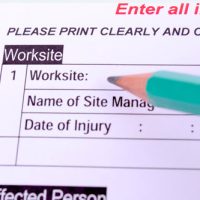
Every year, Florida’s population swells with people who come for the work, not just the weather. Citrus groves need pickers during winter harvest. Beachfront hotels and theme parks staff up for spring break and summer crowds. These seasonal workers keep entire industries running, yet many don’t fully understand what happens to their paycheck and medical care if they get hurt on the job.
Seasonal workers are generally entitled to the same workers’ compensation protections as year-round employees. Florida law does not create a lesser category of coverage based on the calendar. If a worker is hired for even a few weeks and the employer meets Florida’s coverage thresholds, an on-the-job injury is generally compensable just as it would be for a permanent employee.
The confusion usually comes from classification, not the calendar. Some seasonal workers are hired through staffing agencies or labor contractors instead of directly by the business where they work. Others are misclassified as independent contractors to cut insurance costs. Neither arrangement strips a worker of coverage, but it can make it harder to identify which company is responsible for the claim.
Heat and Speed: The Two Biggest Hazards
Seasonal work in Florida tends to concentrate around two dangerous conditions: extreme heat and rushed pace.
Outdoor seasonal workers in agriculture, landscaping, and construction face heat risks that intensify during Florida’s long warm season. Federal regulators have documented heat-related fatalities among Florida agricultural workers in recent years, several involving people new to the job or unacclimated to the conditions, and have cited multiple farm labor contractors after workers collapsed and died from heat stroke.
Hospitality and tourism workers hired for peak season often face pressure to move quickly through unfamiliar tasks, whether that’s a theme park attraction operator or a hotel housekeeper covering double the normal room count. Rushed training is a well-known recipe for slip and fall accidents, lifting injuries, and cuts from kitchen equipment.
The Reporting Clock Doesn’t Slow Down
One issue trips up seasonal workers more than most: the reporting deadline. Under Florida Statute 440.185, an injured employee must notify the employer within 30 days of the accident, or within 30 days of when the connection between the injury and the job reasonably should have been recognized. Miss that window, and an otherwise valid claim can be denied.
This is a particular problem for workers who leave the state before symptoms fully develop. A strained back from weeks of repetitive harvesting doesn’t always show up on day one. Waiting until the season is over can cost benefits a worker was entitled to from the start.
What Seasonal Workers Should Do After an Injury
A few steps make a real difference. Report the injury to a supervisor immediately, in writing if possible. Seek treatment from an authorized provider and keep copies of medical records. Write down the name of the actual employer and any staffing agency involved, since this affects who carries the insurance. Keep pay stubs, since these establish the average weekly wage used to calculate lost wage benefits.
Get Help Before the Season Ends
Seasonal status should never be a reason to accept less than what the law provides. If you were injured on a seasonal job in Florida, our Tampa workers’ compensation attorneys at Kobal Law can help sort out who is responsible for your claim and fight for the medical care and wage benefits you’re owed. We handle these cases on contingency, so there’s no cost to find out where you stand. Contact Kobal Law today for a confidential consultation.
Source:
flsenate.gov/Laws/Statutes/2025/440.185


