
Motorcycle Accidents in Florida and Injury Claims
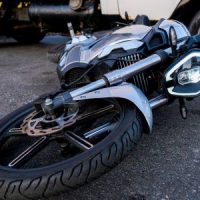
Florida’s warm weather and scenic roads make it one of the most popular states in the country for motorcycle riding. Unfortunately, that popularity comes with a cost. Motorcyclists face a much higher risk of serious injury or death than occupants of passenger vehicles, largely because riders have little protection when a crash occurs. When a rider is hurt due to another driver’s carelessness, understanding how Florida law treats these claims is essential. Riders in the Tampa area who have been hurt in a crash often need the guidance of experienced Tampa personal injury attorneys to pursue full compensation.
Why Motorcycle Crashes Are Different
Unlike car accidents, motorcycle wrecks rarely produce minor injuries. Riders often suffer road rash, broken bones, spinal damage, or traumatic brain injuries even at relatively low speeds. According to the Florida Department of Highway Safety and Motor Vehicles, thousands of motorcycle crashes occur across the state each year, and a disproportionate share result in fatalities compared to crashes involving only passenger cars.
Florida’s Helmet Law and Insurance Rules
Florida law does not require every adult motorcyclist to wear a helmet. Under Florida Statute 316.211, riders who are 21 or older may ride without a helmet if they carry at least $10,000 in medical benefits coverage under an insurance policy. Riders under 21 must wear a helmet regardless of insurance coverage. Whether or not a rider was wearing a helmet can sometimes become a point of dispute in a claim, so it is worth understanding this law before assuming fault or coverage issues.
Another important distinction involves no-fault insurance. Florida’s personal injury protection system, which normally applies to car accidents, does not cover motorcycles. Under Florida Statute 627.732, motorcycles are excluded from the definition of a “motor vehicle” for PIP purposes. This means an injured motorcyclist generally cannot rely on no-fault coverage and instead must pursue a claim directly against the at-fault driver’s liability insurance, or their own coverage if available.
Common Causes of Motorcycle Crashes
Many motorcycle accidents happen because other drivers fail to see riders in time. Left-hand turns in front of oncoming motorcycles, lane changes without checking blind spots, and following too closely are frequent causes. Distracted driving and speeding also play a significant role. Because motorcycles are smaller and more maneuverable than cars, some drivers underestimate how quickly a rider is approaching, which can lead to devastating collisions.
Building a Strong Injury Claim
Proving fault after a motorcycle crash typically involves gathering police reports, witness statements, photos of the scene, and medical records documenting the extent of the rider’s injuries. Insurance companies sometimes try to shift blame onto the motorcyclist simply because riders are viewed as inherently riskier, even when the other driver was clearly at fault. Having strong evidence early on can make a significant difference in the outcome of a claim.
Reach Out to Our Team for Guidance
If you or someone you love has been injured in a motorcycle accident, do not assume the insurance company will treat you fairly. As Tampa motorcycle accident lawyers, we at Kobal Law understand how these cases are evaluated and what it takes to pursue the compensation an injured rider deserves. Contact us today for a confidential consultation.
Source:
leg.state.fl.us/statutes/index.cfm?App_mode=Display_Statute&URL=0300-0399/0316/Sections/0316.211.html
